
WWDC is simply a few months away. Except there’s a dramatic break from custom, Apple will preview its new working techniques—iOS 16, iPadOS 16, macOS 13, tvOS 16, and watchOS 9—whereas highlighting all the most important options and design adjustments they create. Whereas these of us who observe Apple carefully at all times get enthusiastic about new {hardware}, these main working system updates are a giant deal. The digital lives of over a billion individuals can shift dramatically by what Apple chooses to do with its software program.
As we do yearly, we’re going to focus on a few of the areas we hope to see Apple tackle in its subsequent large yearly replace. (See our iOS 15 wishlist from final yr.) It’s not as if Apple makes its selections based mostly on what we are saying, or would have time to implement these options earlier than its large developer convention, however the discussions that brew from these options are a productive a part of bettering the units that so profoundly affect our lives.
With that in thoughts, listed below are a few of our prime needs for iOS 16.
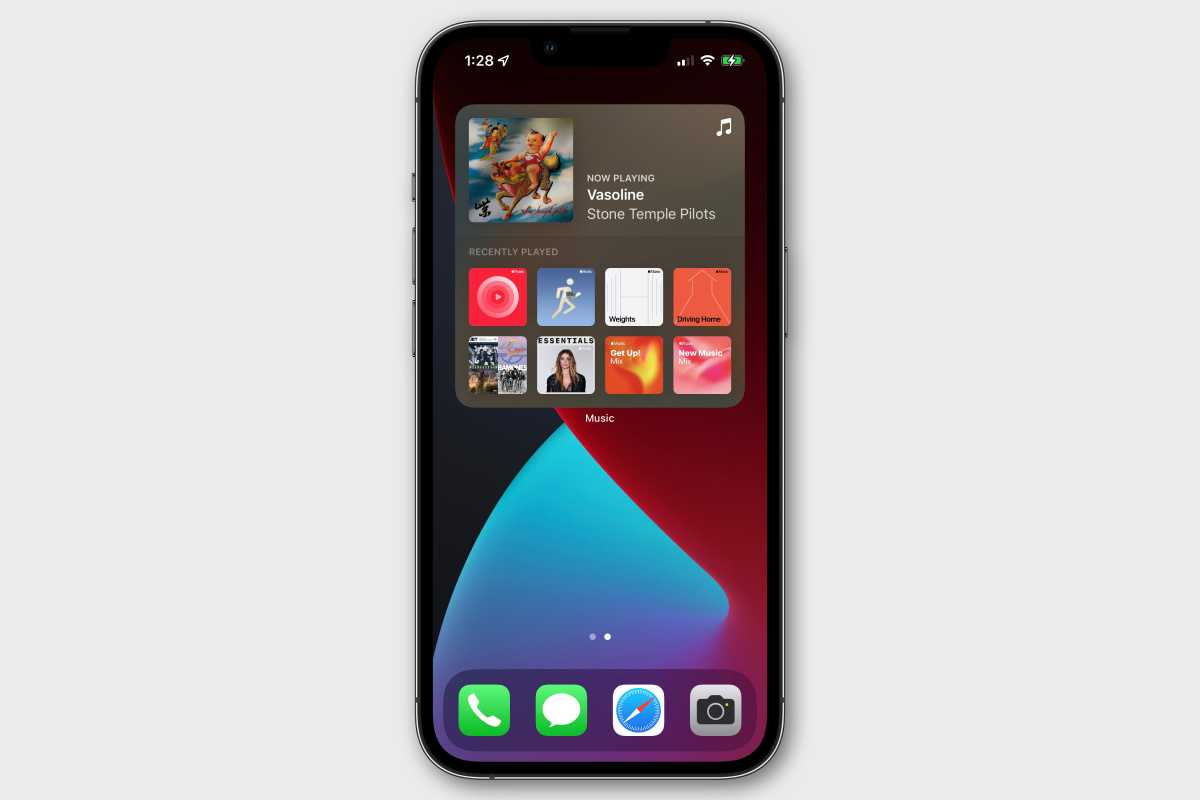
With iOS 14, Apple fully overhauled widgets. They appear nice, really feel extra standardized, and may now seem on your property display, blended in with app icons.
However they misplaced one thing essential on the similar time: interactivity. Widgets can visually replace with new information, however if you happen to faucet on it, you open the related app. Gone is the power to faucet a button or slider on a widget and truly do one thing.
That is particularly irritating within the case of apps like Apple Music, whose controls work proper from the widget on Android and don’t do something however open up the app on iOS.
Clearly, some safeguards have to be in place. The framework for interactive widgets should ensure you don’t do one thing like flip off your property alarm with an unintentional faucet. However there’s loads of room for widgets with easy controls to do helpful issues with out leaping into apps on a regular basis.
IDG
All the time-on show
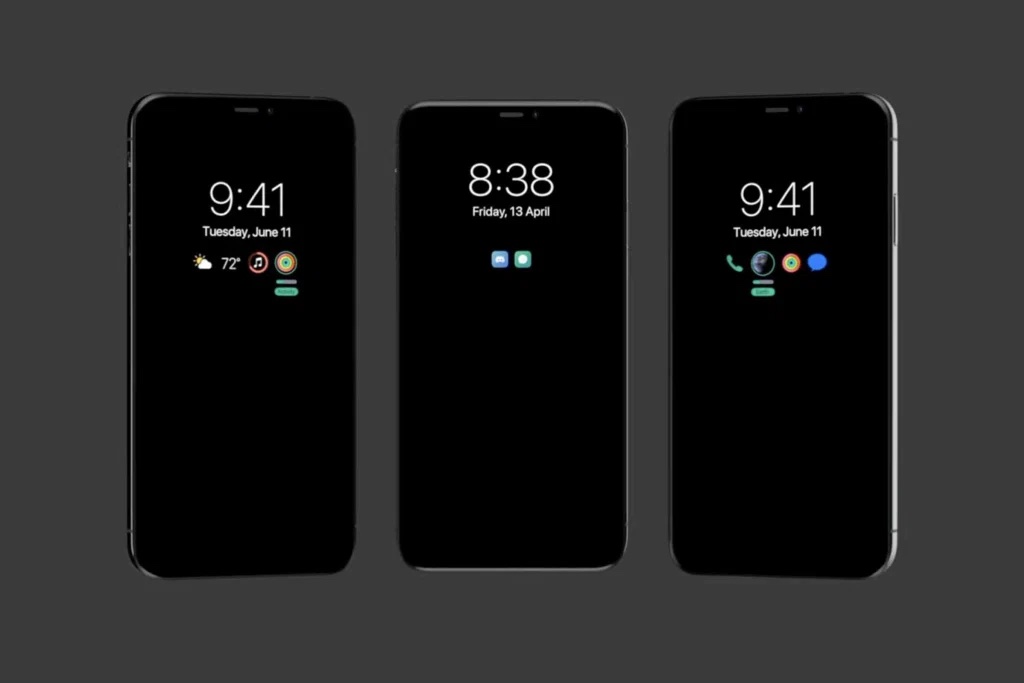
We’re going to maintain asking for this till Apple relents. There’s no motive that each iPhone with an OLED show (which is a number of fashions over the past a number of years) couldn’t have some helpful data displayed always. Android telephones have had them endlessly.
No less than, it ought to be an possibility. Customers who’re particularly involved about battery life or burn-in may disable it, although a smartly-designed always-on show wouldn’t convey a lot threat of both. Simply ask Apple, who carried out an always-on show on Apple Watch, perhaps its most battery-sensitive machine.
I simply need to have the ability to see the time, date, and climate, and get some sense of what essential notifications are ready for me by glancing over on the telephone at my desk with out even selecting it up. That’s not an excessive amount of to ask for in 2022.
EverythingApplePro
Lock display enhancements
With iOS 15, Apple tried to fight notification overload on the lock display by condensing them right into a “scheduled abstract.” Mixed with the brand new Focus modes that cover notifications throughout sure actions, the purpose is to assist maintain you from getting overwhelmed by attention-seeking apps so usually.
It’s a pleasant thought, but it surely’s nearly nugatory as a result of it requires an excessive amount of work to arrange. Every thing is opt-in, and customers must determine which apps belong within the abstract, what their focus modes ought to be and the way they need to act, and so forth. We’ve at all times been in a position to handle our notifications, however everybody simply makes use of the defaults for every part.
I’d prefer to see Apple take a distinct method to cleansing up the lock display. Let customers pull down the notification shade in the event that they wish to see notifications, and provides the lock display a easy notification depend (tapping on it could additionally open the notification shade). Liberate all that area for different helpful information just like the climate, battery ranges for related units (your Apple Watch is beneath 20%!), or different easy data icons.
There are many potential methods to make the lock display extra helpful, however the easy clock and notification listing feels a bit like a relic of the previous. Notifications have turn into weapons in an escalating battle for our consideration, and I would like Apple to present me a bulletproof vest.
Oh, and it wouldn’t be a nasty thought to present us the choice to vary the flashlight and digital camera shortcuts to a curated listing of different capabilities.
App Library redesign
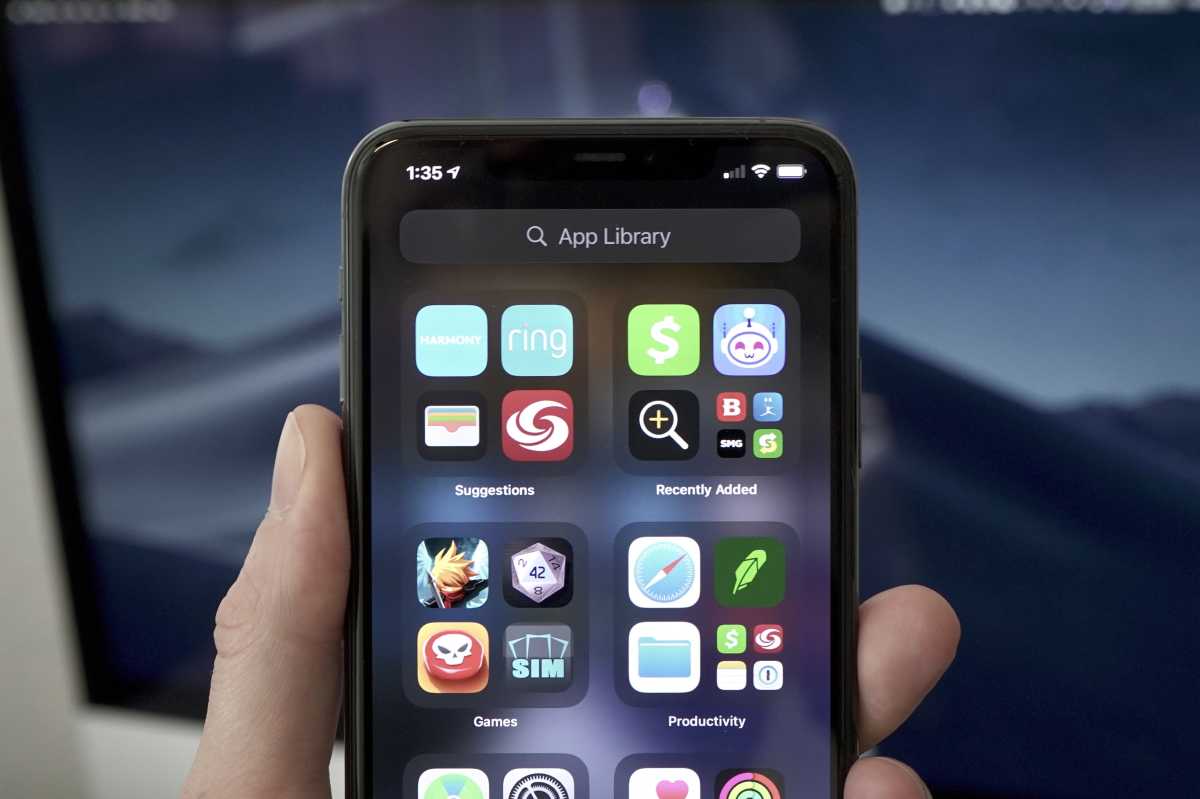
The App Library is a good thought. Launched in iOS 14, it helps you to take away your less-used apps out of your varied dwelling screens while not having to bodily take away them out of your iPhone. However it’s form of an unintuitive mess. It’s organized into inflexible robotically managed folders by software sort, and it doesn’t at all times put apps into the group you suppose it ought to.
Worse, the folders are displayed as giant four-icon “quads” the place three apps are icons (with out labels) that open the app when tapped, however the fourth spot exhibits as much as 4 different apps as tiny icons, and opens the folder when tapped. None of that is clear from the design.
Frankly, a easy alphabetical listing, much like what you get when tapping the search bar on the prime of the App Library, could be a greater view. No less than give us the choice to make an alphabetical listing the default view, as was finished on Apple Watch.
Past that, your entire auto-folder schema wants rethinking. It strikes and shifts, which defies muscle reminiscence about the place issues are. It’s acquired no labels. And it’s not clear what is going to open an app and what is going to increase the folder. The App Library tries so laborious to be easy that it turns into complicated.
IDG
HomeKit overhaul / new Residence app
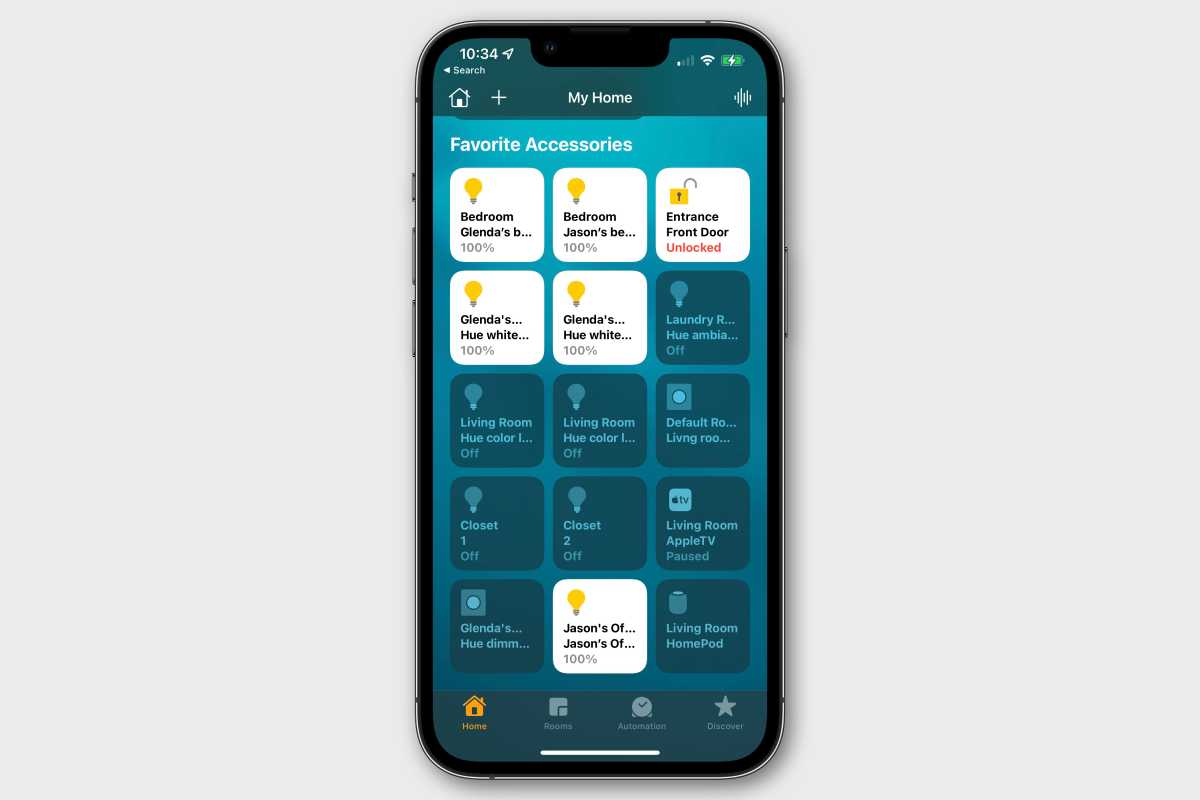
The Residence app has form of an antiquated look and lacks any sense of data hierarchy. The fast data and controls on the prime are robotically chosen and may’t be edited, and each machine, no matter sort, is represented by an similar sq..
It’s not instantly clear, with out experimentation, what occurs if you faucet on one in all these squares and what you get if you long-press on it.
The Residence app wants a rethinking, with totally different management sorts for various sorts of units. A easy plug shouldn’t be represented and managed the identical means as your sensible lighting, which shouldn’t be the identical as a thermostat, which shouldn’t be the identical as your HomePod.
And whereas it’s not an iOS 16 factor specifically, Apple must make a a lot greater push with producers so as to add HomeKit help, even outright paying them to take action if crucial. There are far too many sensible dwelling units that solely help Alexa or Google Assistant however aren’t suitable with HomeKit. Even when Apple satisfied each new sensible dwelling gadget to help HomeKit, it could take a number of years for the taking part in discipline to stage out.
IDG
Extra default app choices
You possibly can set a default e mail app or internet browser on iPhone, and have been in a position to since iOS 14. That’s a very good begin, but it surely’s simply that, a begin.
We should always have the ability to set default music and podcast apps, so after we ask Siri to play one thing we don’t must specify the app identify each time (or hope that it’ll keep in mind). The identical goes with messaging—let messaging apps have a framework to affiliate their consumer IDs with our system contacts so after I say “Hey Siri, message mother” it is aware of to make use of WhatsApp or no matter as an alternative of Messages, if I’ve made the choice to vary my default.
Apple may do extra to supply default app choices past simply internet browser and e mail apps whereas staying away from those who may compromise safety. Calendar, Maps, and Climate are all good candidates.
Sideloading (ha!)
The talk over Apple’s App Retailer insurance policies has been occurring for years, and it’s not going to finish any time quickly.
On the Mac, Apple makes use of Gatekeeper and certificates signing to make sure apps don’t include malicious code. Builders submit apps to Apple to be notarized, after which they are often distributed on the net in no matter method the developer desires.
One thing like this might work on iOS, too. Customers must choose into putting in apps from outdoors the app retailer, and would get acceptable warnings, in fact. And apps would most likely have to leap via extra technical hurdles to be notarized than they do on the Mac—guaranteeing they use the correct frameworks for issues like location entry and such to make sure your iPhone privateness settings aren’t compromised.
In different phrases, Apple ought to notarize and permit the set up of any iPhone app that meets its technical, security, and safety guidelines, however maintain that separate from the content material guidelines that outline App Retailer distribution.
After all, none of this may ever occur till our legal guidelines demand it, so in fact, there’s zero likelihood that Apple will permit any type of sideloading, even with restrictive notarization necessities, in iOS 16. However it is a wishlist, not a likely-to-happen listing.
Siri enhancements (once more!)
To be honest, Apple made some very nice enhancements to Siri in iOS 15. It lastly acquired offline processing, which speeds issues up so much and improves privateness. It additionally acquired a bit smarter and extra dependable and is so much higher about understanding what’s on the display and reacting to it.
However it’s nonetheless acquired so far to go. Not a day goes by that I don’t ask my Google Assistant one thing to which I get a very good reply, after which—simply out of curiosity—I ask Siri as nicely. Siri fails far too usually.
Siri’s positively getting higher, it’s simply not getting higher quick sufficient.
2FA app integration
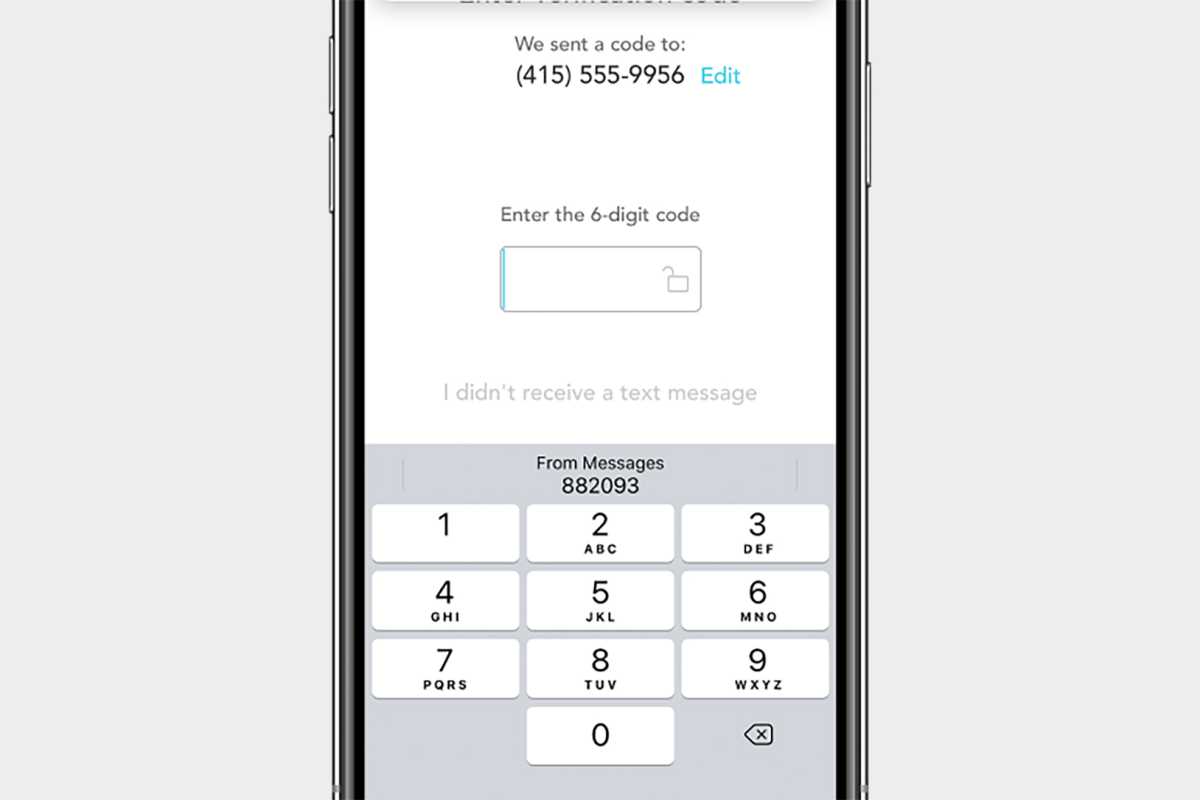
If you’re signing in to an app or a web site and also you get despatched a two-factor authentication (2FA) code through textual content message, it populates the keyboard suggestion bar with the code. Simply faucet it to robotically sort the code into your app/web site, and away you go!
It’s a superb characteristic, one which saves time from hopping forwards and backwards between the Messages app and attempting to recollect a string of numbers. However it’s restricted to SMS-based codes, and that’s not at all times probably the most safe possibility. SIM-jacking, quantity rerouting companies, and different assaults can compromise your SMS-based textual content messages.
I’d love for Apple to supply a framework for one-time-password code era apps equivalent to Authy, Google Authenticator, Step Two, and others to allow them to securely populate that very same spot on the keyboard options bar when an app or web site requests a code.
Apple
Battery proportion within the standing bar
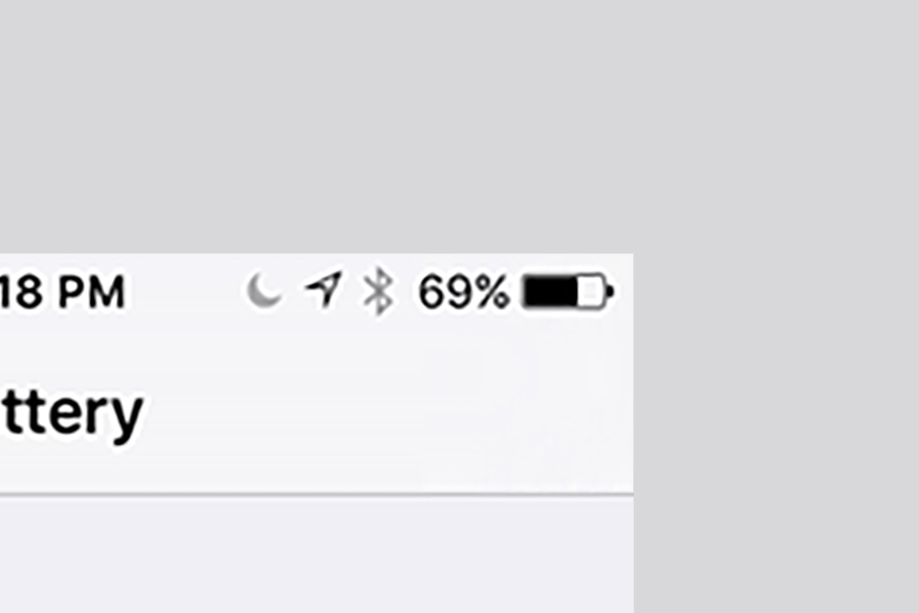
It’s the smallest factor. Once we acquired Face ID, we misplaced a giant chunk of the standing bar, and Apple took away our capability to see our battery proportion. Positive, you’ll be able to see it if you swipe down on Management Heart, however who desires to do that?
I do know it’s crowded up there with the TrueDepth module, however there’s acquired to be a easy method to allow us to see our battery proportion once more, particularly with rumors that the notch goes away with the iPhone 14 Professional.
IDG


0 Comments